Carbon Fibre Travel Tripod
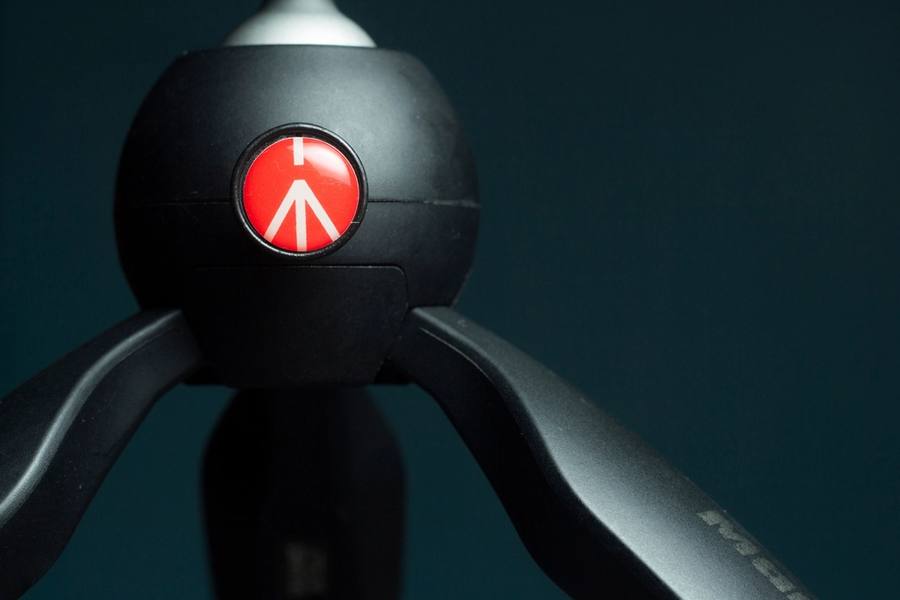
Representative image (stock photo); not the exact product.
The Trade Every Travel Tripod Makes
A tripod is stable in proportion to how thick its legs are and how few sections they have. A travel tripod is compact in proportion to how many sections it folds into and how thin they are.
Those requirements are directly opposed, and every travel tripod is a position on that line rather than a solution to it. Marketing that claims both is describing a compromise in flattering terms.
Deciding which side of the trade matters for your actual work is the entire purchase decision, and it depends on whether you carry the tripod far or use it in wind.
Carbon Versus Aluminium
Carbon fibre is lighter than aluminium at equal stiffness, and it dampens vibration faster, which matters for long exposures where a passing lorry or a gust sets the tripod ringing.
It is also considerably more expensive, and it is not stronger in impact — a sharp knock can crack carbon where aluminium would dent and keep working.
Carbon is also much less cold to handle in winter, which sounds trivial and is genuinely noticeable holding metal legs at dawn in February.
Leg Sections And Working Height
Four or five leg sections fold smaller and have more joints, and each joint is a place flex enters. A four-section tripod is generally more stable than a five-section one of the same weight.
The thinnest bottom section is the weakest, and on a windy day leaving it retracted and accepting lower height is the standard technique.
Maximum height should be checked without the centre column raised, since a raised column is the least stable configuration and using it routinely means you bought a tripod too short for you.
The Head Matters As Much As The Legs
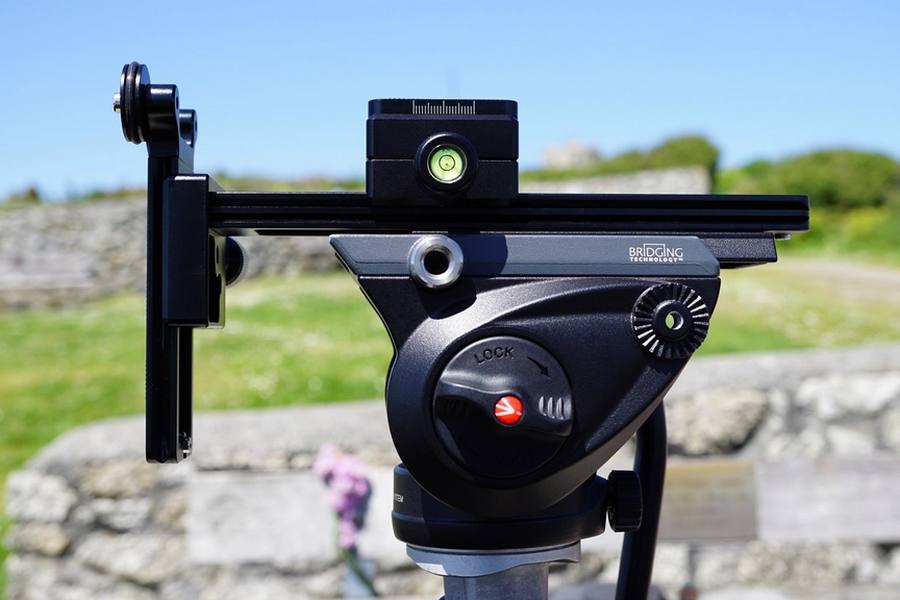
Many tripods are sold with a head included, and the head is frequently where the cost was saved. A good set of legs with a poor head is an unstable tripod.
Ball heads are fast and suit general use; geared heads are slow and precise and suit architecture and landscape; fluid heads are for video panning and are unsuited to stills.
Buying legs and head separately usually gives a better result than a kit, and the head is the part worth spending on because it is what actually holds the camera still.
Who It Suits
This suits travel, hiking and anybody who carries a tripod far enough that weight determines whether it comes at all.
It suits less well studio work, long telephoto use, or windy coastal landscape work, where a heavier tripod is straightforwardly better and weight does not matter.
It suits particularly well somebody who has left a heavier tripod at home repeatedly, which is the common experience that leads people here.
The Verdict
A sensible compromise for anybody carrying a tripod distances: carbon dampens vibration and saves weight, and the folding design costs some stability.
Carbon is expensive and crackable, more leg sections mean more flex, and the included head is often the weak point.
Check the height without the centre column raised. A tripod that only reaches your eye level with the column extended is a tripod too short for you.
At a glance
Pros
- Carbon dampens vibration faster than aluminium
- Light enough that it actually gets carried
- Folds small enough for a bag or case
- Less cold to handle than metal in winter
Cons
- Considerably more expensive than aluminium
- Can crack on sharp impact where aluminium dents
- More leg sections means more flex
- Included heads are frequently the weak point
Frequently asked questions
Carbon or aluminium?
Carbon is lighter at equal stiffness, dampens vibration faster and is less cold to hold. Aluminium is much cheaper and survives sharp impacts that can crack carbon. If you carry it far, carbon; if it lives in a studio, aluminium.
How much height do I need?
Enough to reach eye level without raising the centre column, since a raised column is the least stable configuration. A tripod that only reaches your eye with the column up is a tripod too short for you.
Should I buy a kit with a head?
Usually not. The head is frequently where cost was saved, and good legs with a poor head make an unstable tripod. The head is what actually holds the camera still, so it is the part worth choosing deliberately.
Specifications
| Material | Carbon fibre |
| Core trade | Packed size against stability |
| Leg sections | Four is more stable than five at equal weight |
| Weakest part | Thinnest bottom leg section |
| Height check | Without centre column raised |
| Head | Often worth buying separately |
| Best for | Travel and hiking |
| Poor for | Wind, long telephoto, studio |
The bottom line
Light enough to actually carry, with carbon damping vibration. Check the height without the centre column raised before buying.
Check Price on Amazon