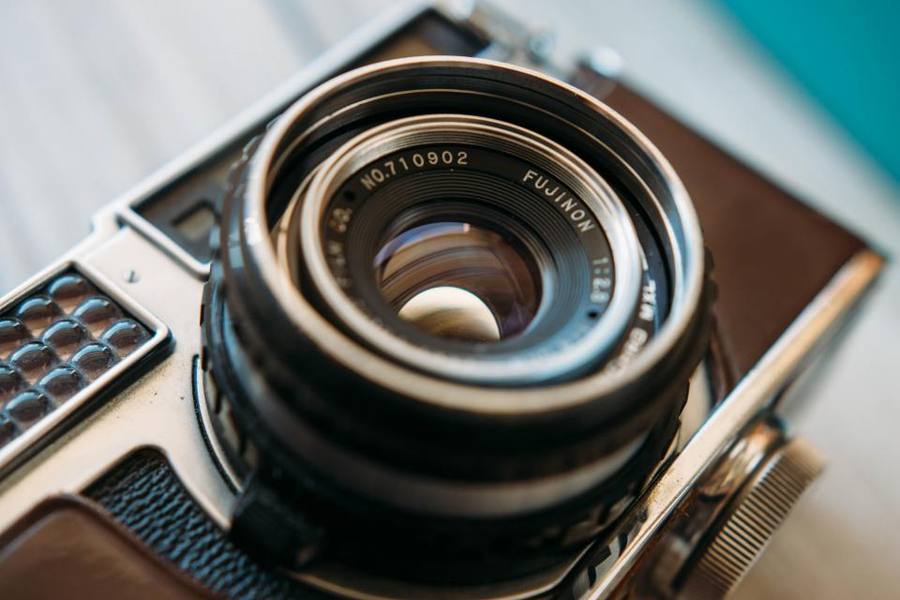
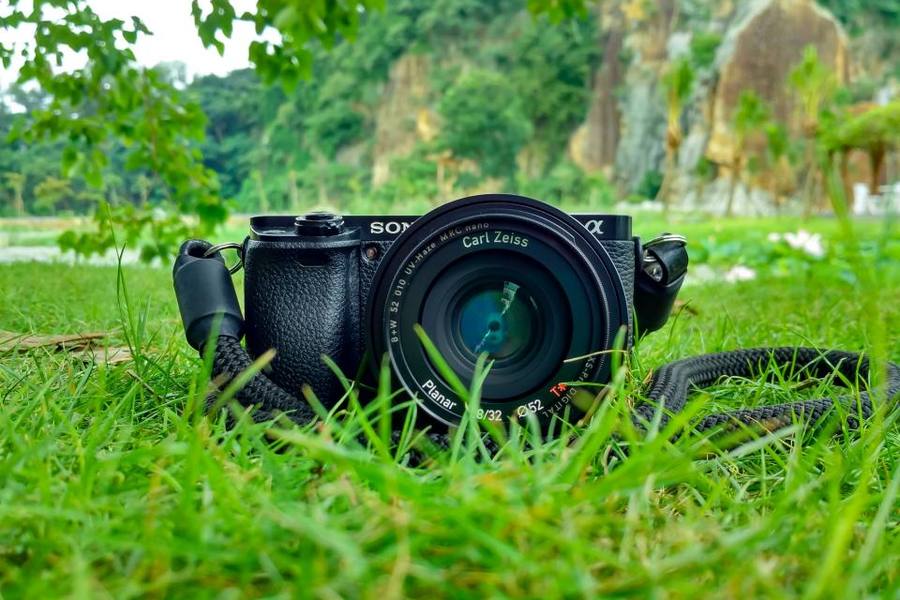
Fast 50mm f/1.8 Prime Lens
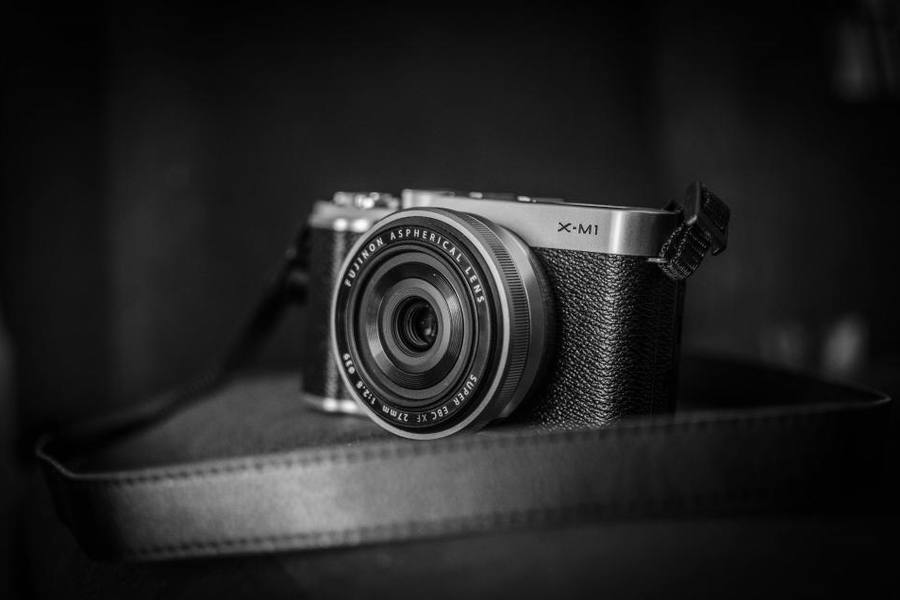
Temsili görsel (stok fotoğraf); ürünün kendisi değildir.
The Cheapest Visible Upgrade
A kit zoom is typically f/3.5 to f/5.6, and a fifty millimetre f/1.8 is two to three stops faster for a fraction of the price of any other lens you will buy.
That produces two immediately visible changes: usable images in light where the kit lens could not, and genuine background separation that makes subjects stand out.
It is the lens that most convincingly demonstrates that the lens matters more than the camera body, and it is the standard first purchase after a kit for exactly that reason.
Fixed Focal Length Is A Feature
A prime cannot zoom, which sounds limiting and functions as a constraint that improves how you work.
You move instead of zooming, which changes perspective rather than just framing, and perspective is the more consequential variable. Zooming from a fixed position produces a different image from walking closer, and only one of those is available to a zoom user standing still.
It also means one less decision per frame, which for anybody learning is genuinely useful — fewer variables means more attention on light and composition.
What Fifty Millimetres Is For
On full frame, fifty millimetres approximates natural perspective, neither compressing nor exaggerating, which makes it a general purpose focal length.
On APS-C the same lens behaves like seventy-five millimetres, which is a short portrait length rather than a general one, and this catches people out. On a crop body a thirty-five millimetre lens gives the natural fifty-ish view.
For portraits, fifty on full frame is slightly wide and workable; eighty-five is the classic length and costs considerably more.
Where The Cheapness Shows
Wide open at f/1.8 these lenses are softer than stopped down, and corners particularly so. Stopping down to f/2.8 sharpens things considerably.
Autofocus is usually slower and noisier than expensive lenses, and in video the focus motor is often audible on the camera's microphone.
Build is plastic and light, weather sealing generally absent, and none of that matters much for a lens at this price that delivers the optical effect you bought it for.
There is also a minimum focus distance to be aware of, typically somewhere between thirty and forty-five centimetres, which is further than people expect from such a small lens. Trying to photograph food on a table or a small object close up will often fail to focus at all, and the solution is stepping back and cropping rather than pushing closer. A macro lens is the tool for genuinely close work, and this is not one.
Who It Suits
This suits everybody with a kit zoom who has not yet bought a second lens, without qualification. It is the highest impact purchase available.
It suits less well somebody who specifically needs to zoom, such as an event shooter who cannot move.
It suits particularly well low light — indoor gatherings, evening streets, dim venues — where a kit zoom simply cannot produce a usable image and this can.
The Verdict
The highest value lens purchase there is: two to three stops faster than a kit zoom, real background separation, small, light and very cheap.
It is soft wide open, autofocus is slow and audible, build is plastic, and on APS-C it behaves like a short portrait lens rather than a general one.
If you own a kit zoom and nothing else, buy this next. Nothing else at the price changes your photographs as visibly.
Bir bakışta
Artılar
- Two to three stops faster than a kit zoom
- Genuine background separation for subject isolation
- Very cheap and very small
- Fixed focal length encourages moving, which changes perspective
Eksiler
- Soft wide open, especially in corners
- Autofocus slow and audible on video
- Plastic build with no weather sealing
- On APS-C behaves as a short portrait lens, not general purpose
Sıkça sorulan sorular
Why buy a lens that cannot zoom?
Because you move instead, which changes perspective rather than just framing — and perspective is the more consequential variable. It also removes a decision per frame, which puts more attention on light and composition.
Will it work on my crop sensor camera?
Yes, and it behaves like a seventy-five millimetre lens, which is a short portrait length rather than a general one. On APS-C, a thirty-five millimetre lens gives the natural view that fifty gives on full frame.
Is it sharp?
Stopped down to f/2.8 and beyond, yes. Wide open at f/1.8 it is softer, particularly in the corners, which is the compromise at this price. You are buying the light-gathering and the depth of field, and the sharpness follows a stop down.
Teknik Özellikler
| Focal length | 50 mm |
| Aperture | f/1.8 |
| Versus kit zoom | Two to three stops faster |
| On APS-C | Behaves like 75 mm |
| Sharpness | Soft wide open; good from f/2.8 |
| Autofocus | Slow and audible |
| Build | Plastic, no weather sealing |
| Value | Highest impact per pound in lenses |
Özet
The highest impact purchase after a kit lens, by a wide margin. Soft wide open and slow to focus — and nothing else changes your photos as visibly.
Amazon'da Fiyatı Kontrol Et