On-Camera Shotgun Microphone
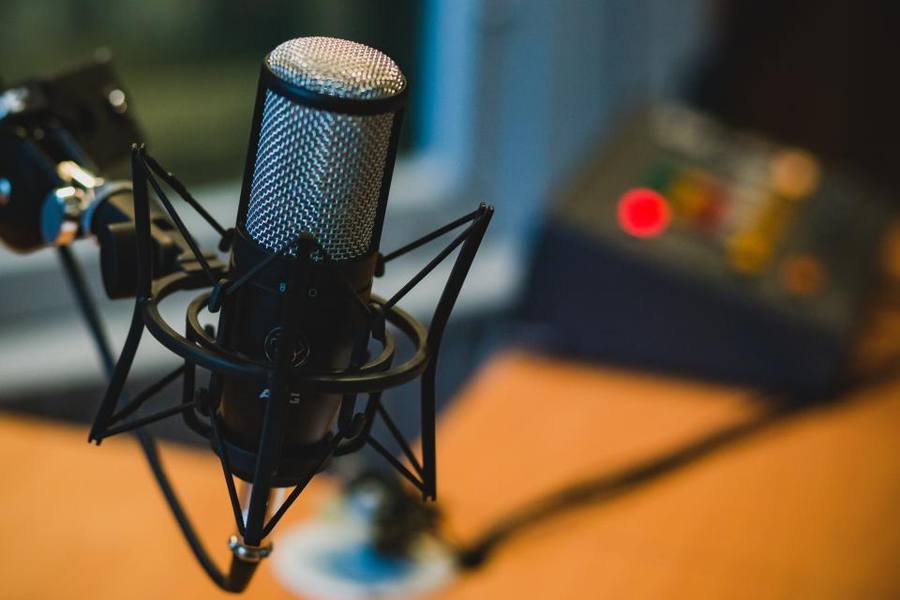
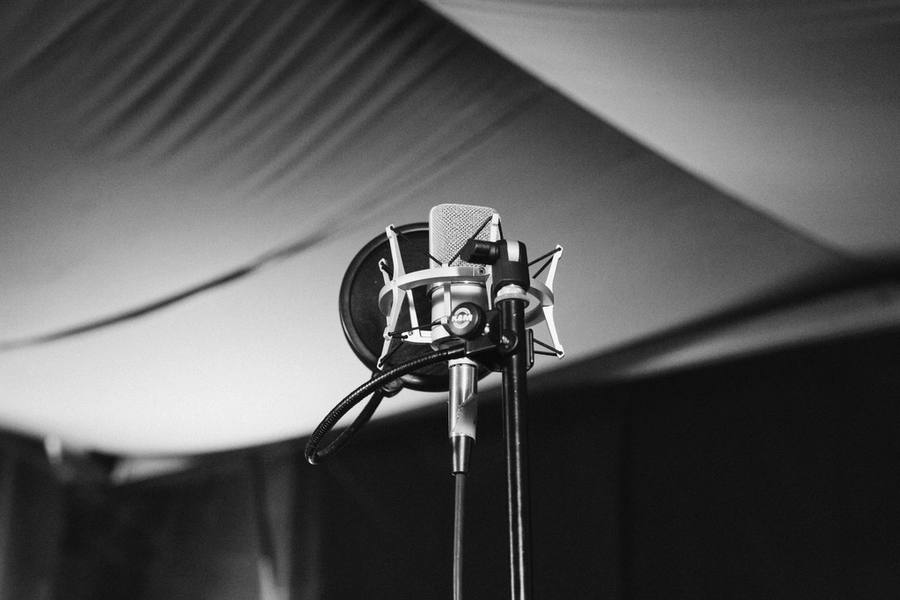
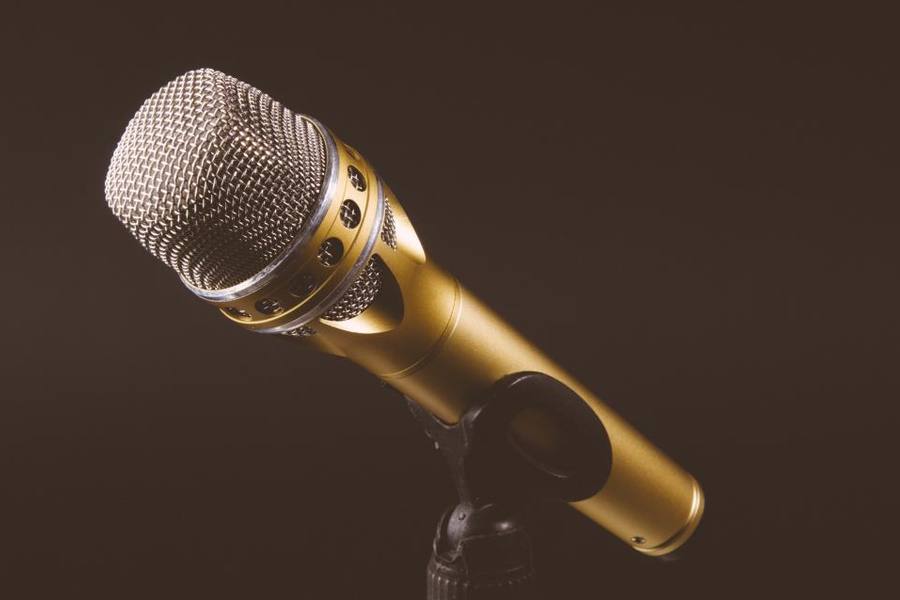
Temsili görsel (stok fotoğraf); ürünün kendisi değildir.
Directional, Not Distant
A shotgun microphone rejects sound arriving from the sides while accepting sound from directly in front. That is what directional means.
It does not amplify distant sound or bring it closer. A subject three metres away still sounds three metres away — just with less of the room either side of them.
That misunderstanding is behind most disappointment with these microphones. They improve the ratio of subject to surroundings; they do not solve distance, which only moving the microphone closer does.
Where It Genuinely Works
On a boom pole held just out of frame above a subject, a shotgun is excellent — close, directional, and pointing at the mouth from the optimal angle.
That is how it is used professionally and how it produces professional results, and it requires a second person or a stand.
Mounted on a camera it is considerably less effective, because the camera is wherever the framing requires rather than wherever the audio needs, and that is usually too far away.
Indoors Is The Hard Case
Shotgun microphones behave poorly in small rooms, because their rejection pattern relies on sound arriving from predictable directions and a small room reflects sound from everywhere.
The result indoors is often a hollow boxy quality that is worse than a simple cardioid microphone would produce in the same position.
Outdoors, where there are few reflections, they perform as intended, which is why shotgun microphones are associated with film and location work rather than interiors.
Wind And Handling
Wind noise destroys outdoor audio, and the supplied foam windscreen is inadequate for anything beyond a slight breeze. A furry windshield is not an accessory but a requirement for outdoor use.
Handling noise transmits through the mount, so a shock mount using elastic suspension rather than a rigid clip is similarly essential rather than optional.
Both are frequently sold separately, and budgeting for them alongside the microphone avoids the common experience of unusable first recordings.
Power And Connection
Some need phantom power from a recorder or camera, and others run from an internal battery. Checking what your camera supplies before buying prevents an incompatible purchase.
Many cameras have poor microphone preamplifiers, which add hiss when the input gain is raised. A microphone with higher output, or an external recorder, avoids that.
Monitoring through headphones from the camera is essential, and a camera without a headphone socket makes it impossible to verify audio while recording.
Pickup pattern length is the other specification worth understanding, because longer interference tubes are more directional and also more prone to colouring sound arriving off axis. A very long shotgun rejects the sides aggressively and makes anything slightly off centre sound thin and unnatural, which is a problem when a subject moves. Shorter shotgun microphones are less dramatic in their rejection and considerably more forgiving of a subject who does not stay perfectly still.
The Verdict
A genuinely useful microphone when close to the subject on a boom outdoors, and a modest improvement over built-in audio when mounted on a camera.
It does not solve distance, behaves poorly in small rooms, and needs a furry windshield and a shock mount that are often sold separately.
If the subject is more than a metre or two away, a lavalier will sound better. A shotgun is directional, not a telescope for sound.
Bir bakışta
Artılar
- Rejects sound from the sides, improving subject-to-room ratio
- Excellent on a boom pole close to the subject outdoors
- No transmitter to fit on the subject
- Better than any built-in camera microphone
Eksiler
- Does not solve distance; only closeness does
- Hollow boxy sound in small rooms
- Furry windshield and shock mount usually sold separately
- Camera preamplifiers often add hiss
Sıkça sorulan sorular
Will it pick up someone across the room?
It will pick up less of the room either side of them, and they will still sound like they are across the room. A shotgun is directional, not a zoom lens for sound — only moving the microphone closer solves distance.
Why does it sound hollow indoors?
Because the rejection pattern relies on sound arriving from predictable directions, and a small room reflects sound from everywhere. Indoors a simple cardioid microphone in the same position often sounds better.
What do I need to buy alongside it?
A furry windshield for outdoor use — the supplied foam handles a slight breeze and nothing more — and a shock mount with elastic suspension to stop handling noise. Both are frequently sold separately and both are requirements.
Teknik Özellikler
| Type | Directional shotgun microphone |
| Pattern | Rejects sides, accepts front |
| Does not | Amplify distant sound |
| Best use | Boom pole, close, outdoors |
| Weak indoors | Small rooms produce boxy sound |
| Essential extras | Furry windshield, shock mount |
| Power | Phantom or internal battery; check camera |
| Monitoring | Headphone socket required |
Özet
Excellent on a boom close to the subject outdoors, modest on a camera. It is directional, not a telescope for sound.
Amazon'da Fiyatı Kontrol Et